
As domestic electrical installations become more complex, circuit protection is having to evolve too. Philip Grove, Circuit Protection Product Manager at BG, looks at what the changing electrical landscape means for installers – and why the consumer unit remains central to it all.
The electrical installation in a modern home is changing rapidly, with homeowners becoming more conscious about costs and therefore wanting to play a bigger part in its generation and usage. Alongside traditional lighting and power circuits, properties may now incorporate EV chargers, solar PV, battery storage, heat pumps and connected devices. Each brings different electrical characteristics, changing the demands placed on the installation. Whilst for contractors, circuit protection is an important consideration from the outset, for wholesalers, it creates a need to provide products that support this mix of technologies.
Domestic electrical installations are becoming considerably more sophisticated. Contractors are having to accommodate more technologies and different power loads, while still delivering installations that are safe, compliant and practical to maintain. Selecting circuit protection that is suitable for today’s requirements while allowing for future changes is becoming increasingly important.
A changing regulatory environment
The changing nature of domestic electrical installations is also reflected in the latest IET Wiring Regulations. BS 7671:2018+A4:2026, commonly known as Amendment 4 or the ‘Orange Book’, was published in April, with the transition period ending on 15 October 2026. It is now the current reference point for new electrical installation work designed, installed and certified to BS 7671.
Among the changes are new requirements covering stationary secondary batteries, Power over Ethernet and functional earthing and equipotential bonding for ICT equipment and systems.
With energy storage, connected technology and low-carbon systems increasingly forming part of domestic installations, the regulation changes reflect an electrical environment that is becoming more diverse – reinforcing the importance of appropriate circuit protection as part of the design.
When electricity can flow both ways
One of the most significant developments is the increasing prevalence of bi-directional power flows. Traditionally, electricity entered a property from the grid, passed through the consumer unit and was distributed to individual circuits. Solar PV and battery storage have changed that model. A property can generate electricity, store it, use it later or export surplus energy via the consumer unit and into the Network Power Grid.
As a result, the electrical installation needs to be considered as a more dynamic system. Circuit protection must be selected with the characteristics of the installation in mind, including situations where energy can be supplied from different sources.
BG’s circuit protection portfolio includes bi-directional RCBOs and AFDDs, supporting installations incorporating renewable generation and energy storage.
Heat pumps bring new demands
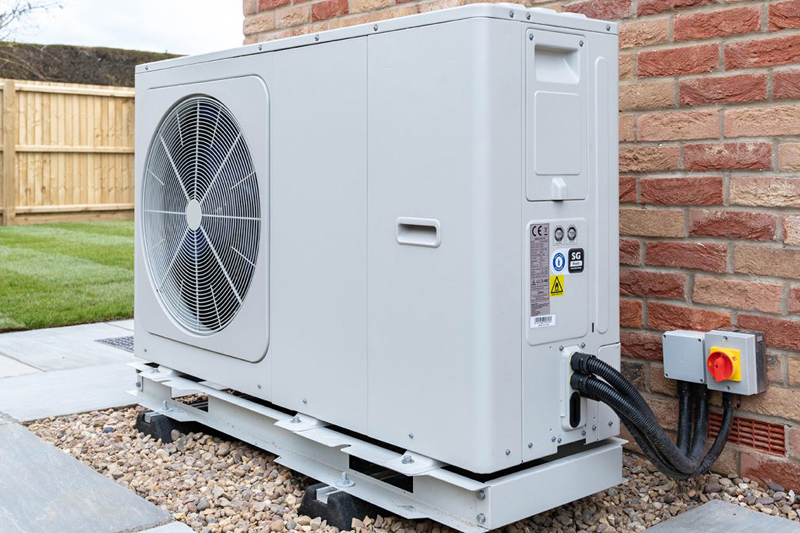
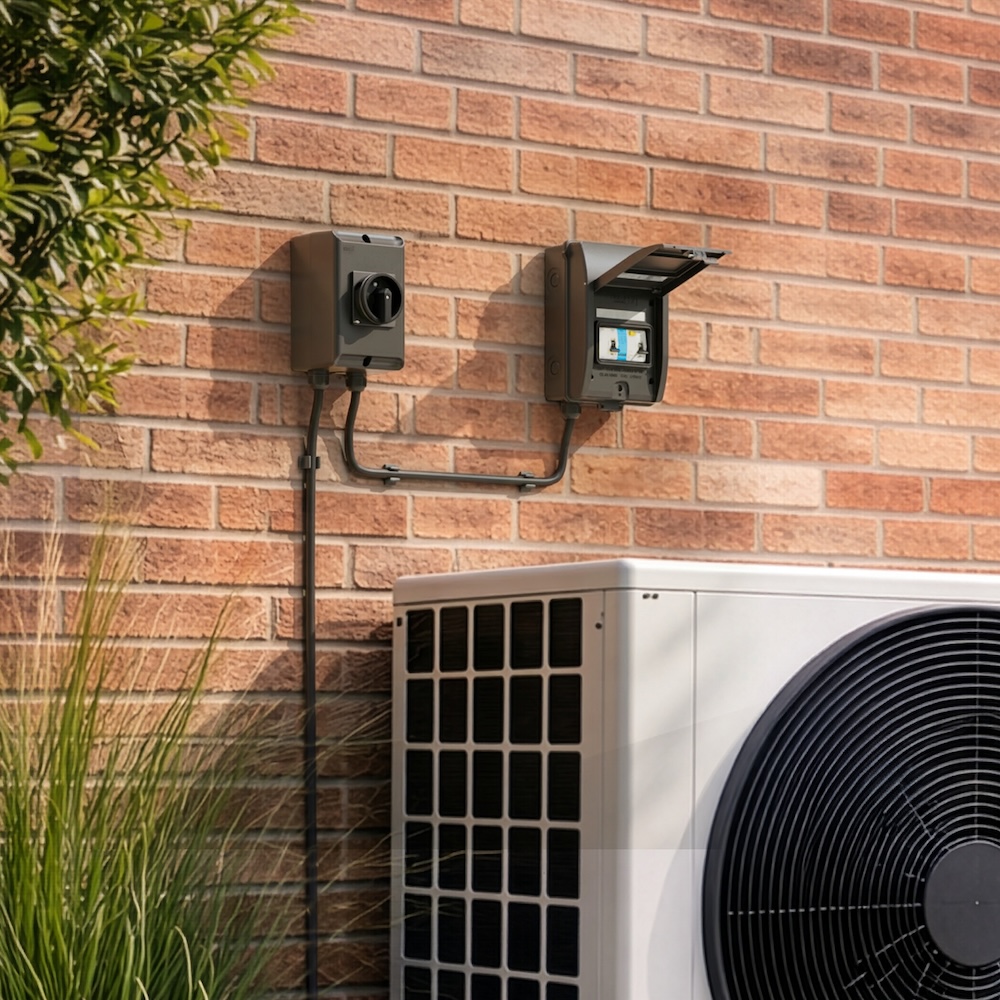
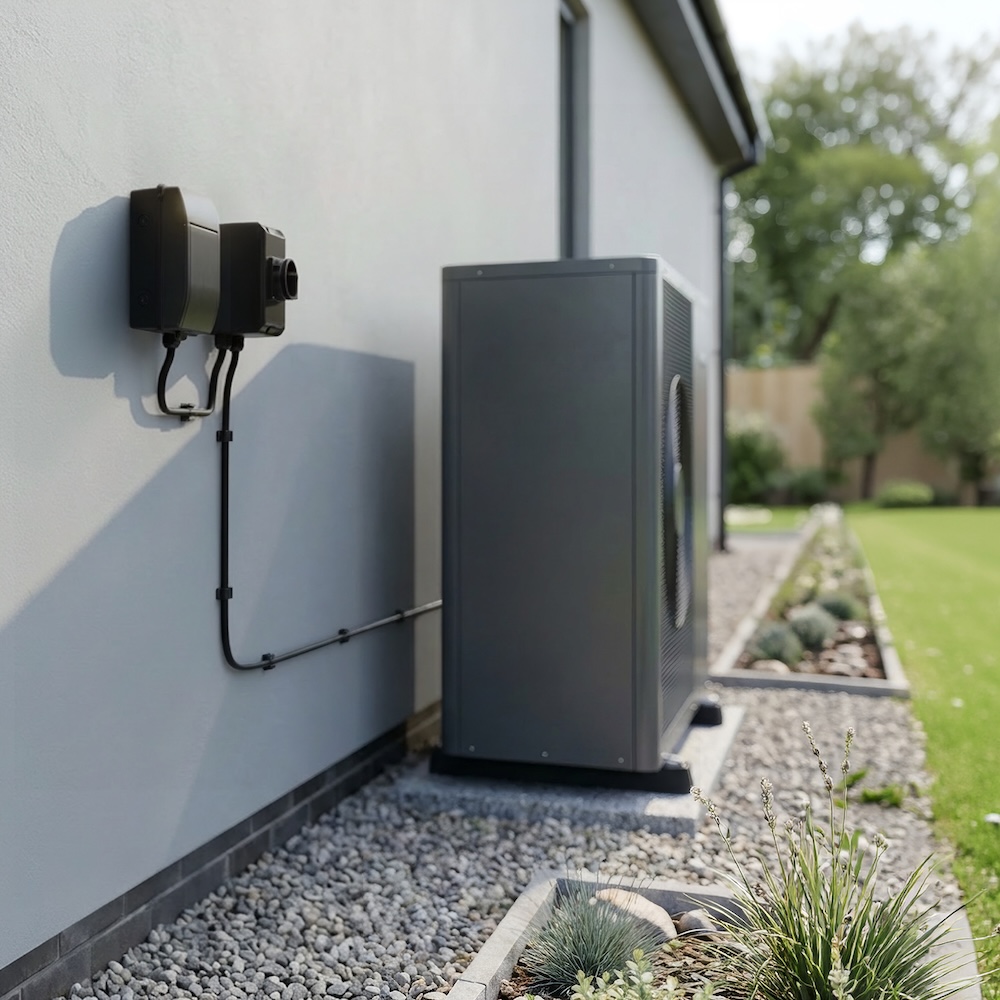
Another factor changing the demands placed on circuit protection is the electrification of domestic heating. Heat pumps introduce a different electrical profile from traditional gas heating. Contractors need to consider the electrical characteristics of the heat pump alongside the wider installation, including its current demand, starting characteristics and associated protection requirements.
This reinforces the importance of considering the consumer unit as part of the home system, rather than simply as an enclosure for protective devices. The combination of an EV charger, heat pump, battery system and conventional domestic loads can create a more demanding installation and appropriate circuit design and protection are therefore essential.
The consumer unit takes centre stage
Despite these changes, the fundamental role of the consumer unit remains the same – it is the central point at which circuits are distributed and protected. What has changed is the range and complexity of the circuits it may need to accommodate. And, where several technologies are incorporated within the same installation, space, accessibility, cable management and the arrangement of protective devices all become increasingly important.
BG’s circuit protection range has been designed with these practical considerations in mind. Features include large rear knockouts, clip-in cable protection, raised DIN rails and single-module SPDs, helping installers make effective use of available space.
More than basic protection
The growing complexity of domestic electrical systems is also highlighting the role of different protective technologies. RCBOs provide individual circuit protection against overcurrent and residual current, while AFDDs can provide an additional level of protection against potentially hazardous arc faults.
Surge Protection Devices can help protect sensitive electronic equipment from transient overvoltages. Smart technology, EV charging equipment and renewable-energy systems can all represent significant investments for homeowners.
As more technology enters the home, the consumer unit has an increasingly important job to do. Contractors need confidence that the protective devices they specify are appropriate for the installation, while the board itself needs to provide sufficient flexibility for the different circuits and technologies involved. Good circuit protection provides a strong foundation for a safe and reliable installation.
Supporting contractors at the trade counter
Given the increasing complexity of domestic installations, wholesalers have an important role to play. Having a broad range of appropriate circuit protection products available – supported by good product knowledge – can help customers navigate changing technologies and requirements.
With the electrification of the home continuing at pace – EV charging, renewable generation, battery storage and electric heating – the way properties consume and manage energy is changing, whilst Amendment 4 provides a further indication of how standards are responding to the evolving electrical environment.
For contractors, this means taking a broader view of circuit protection, whilst for wholesalers, it means ensuring that customers have access to products capable of supporting an increasingly diverse range of applications.
Future-proofing is not simply about leaving spare ways in a consumer unit. It means considering how an installation may develop and then selecting products that can accommodate changing needs. As homes become increasingly electrified, circuit protection has an important role to play in ensuring that installations are ready for the technologies that will follow.
The consumer unit may still occupy the same familiar position on the wall, but what it contains – and what it has to protect – is changing rapidly. As the home becomes an increasingly interconnected energy environment, effective circuit protection will remain central to safe, reliable and future-ready electrical installations.
Visit www.bgelectrical.uk