Victoria Crisp, Trade Marketing Manager at Dimplex, explores the key differences between direct-acting electric heaters and High Heat Retention storage heaters.
Where a property already operates on Economy 7 or a similar time-of-use tariff, or in scenarios when switching to one is possible, High Heat Retention (HHR) storage heaters are an ideal primary heating solution.
Well-established
With this well-established technology, the unit charges the heater overnight on cheaper off-peak electricity, then releases that stored heat gradually and controllably throughout the day. For end users, this can represent a noticeable reduction in running costs compared with alternatives.
Storage heaters can also contribute positively to SAP calculations and EPC ratings when the specified products are listed in the SAP Appendix Q database. Models not listed cannot be classed as HHR and will not deliver those compliance benefits.
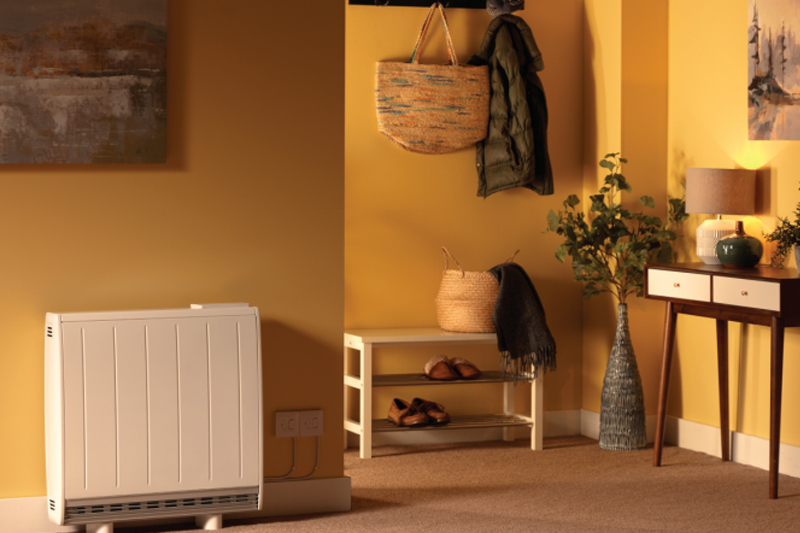
The Dimplex Quantum is the definitive answer to this requirement, offering the latest generation of smart HHR technology with responsive, on-demand heat output.
Thanks to advances in technology and product development, modern HHR storage heaters bear little resemblance to older generations of the technology. Improved charge and heat release controls, better insulation, and smart connectivity have made them a solid replacement choice for properties upgrading ageing storage or direct-electric systems.
Instant warmth where and when it’s needed with direct-acting heaters
For properties where flexibility and response time are priorities, direct-acting electric heaters are ideal. Two separate product types sit within this category and understanding the difference between them is key to a successful specification.
Panel heaters are best suited to rooms that are used intermittently – such as spare bedrooms, home offices, utility rooms – where occupants need warmth on demand rather than sustained background heat.
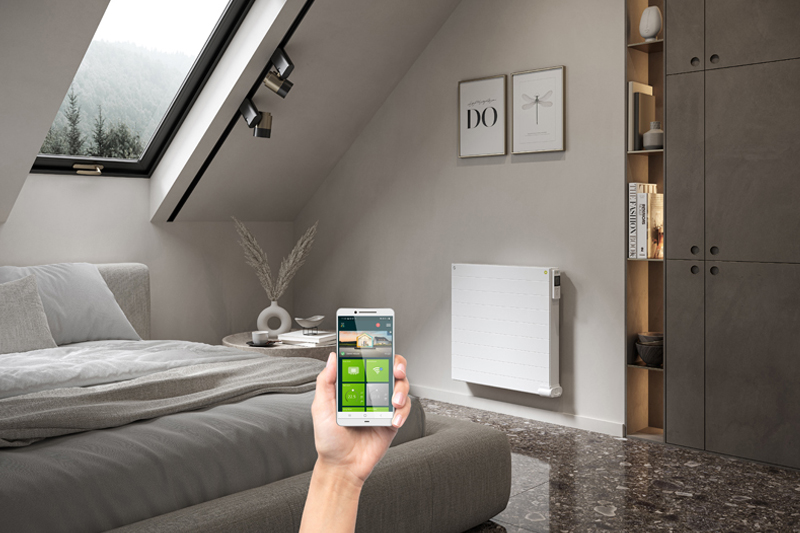
The Dimplex Alta Wi-Fi is a great example, as it delivers convected heat almost immediately by circulating warm air around the room quickly and efficiently.
Go electric
By contrast, electric radiators are a great choice for main living spaces and bedrooms, where it’s important to maintain a comfortable temperature for longer periods of time.
Thanks to their higher thermal mass, these units heat up more gradually than panel heaters, and hold/distribute that heat more evenly, producing steadier comfort and more predictable energy use.
In addition, the appearance and performance of electric radiators closely mirror those of traditional wet-system radiators, which helps ease the transition for customers moving away from these types of systems.
The Dimplex Q-Rad and Dimplex AluRad Wi-Fi both sit in this category, combining familiar radiator aesthetics with contemporary controls and connectivity.
Combination
When used together across a property – for example, a panel heater in a home office and electric radiators in the main rooms – these two product types provide installers with a flexible toolkit for nearly any residential application.
Combining an HHR storage heater in a main living area with electric radiators in bedrooms, is an increasingly common and effective approach, balancing economy with comfort throughout the home.
For further information, click here
Find more industry features here