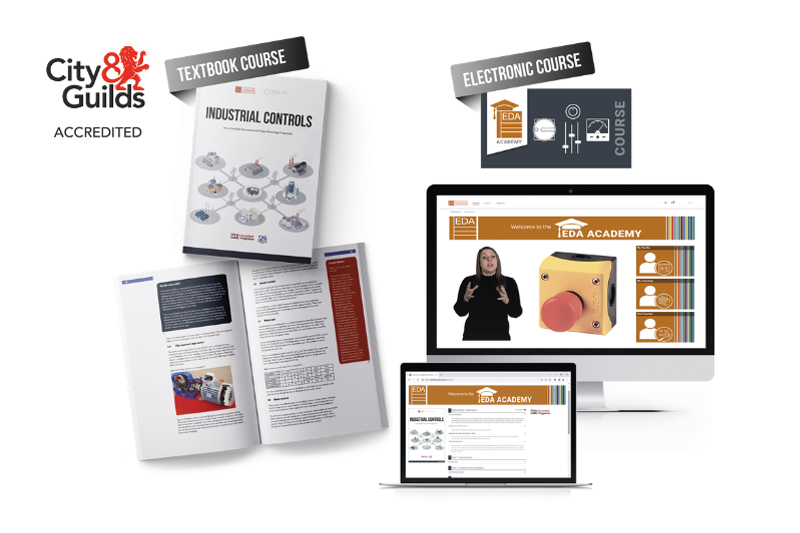
Industrial controls are at the heart of modern industry, enabling machines, processes, and facilities to operate safely, efficiently, and reliably. From switches and relays to sensors and programmable controllers, these products support everything from manufacturing and logistics to energy and infrastructure. As automation and digital technologies continue to expand, demand for industrial control solutions is growing rapidly.
For wholesalers, this creates opportunities to move beyond product supply and become trusted advisors to customers. Understanding the fundamentals of industrial controls can help identify new sales opportunities, support technical conversations, and deliver greater value across a wide range of applications.
Fewer mistakes, increased sales, improved customer satisfaction
By reducing costly mistakes, improving accuracy, and building deep product confidence across your team, the modules empower staff to provide clear guidance on the products they sell. This increases customer satisfaction, builds trust, creates upselling opportunities and ensures customers return.
If your people aren’t studying the EDA’s training modules, your competitors are already ahead because thousands of EDA training modules are studied each year.
Best in class
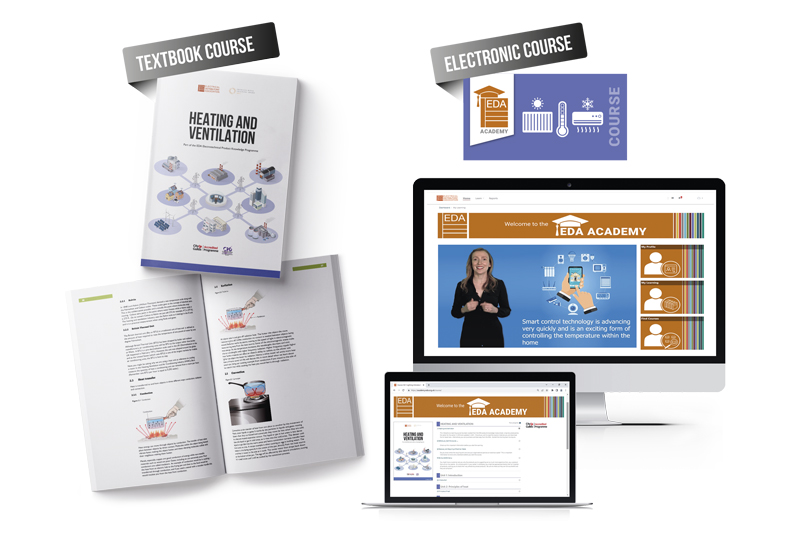
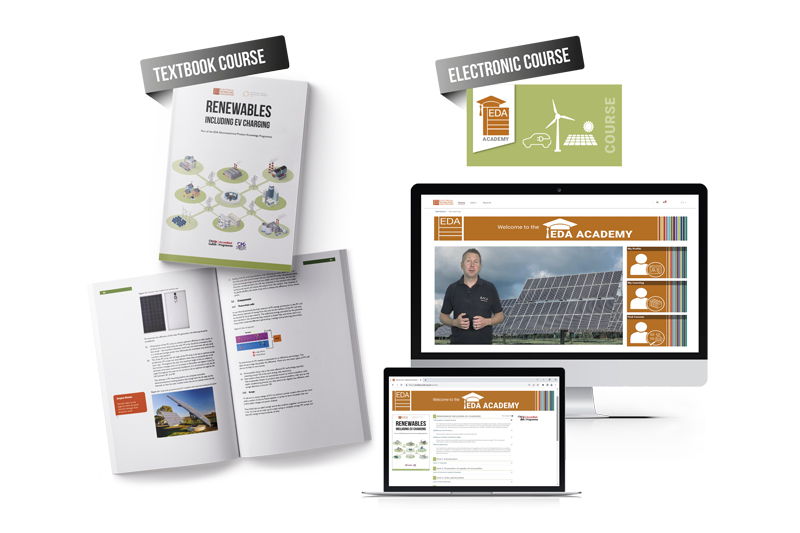
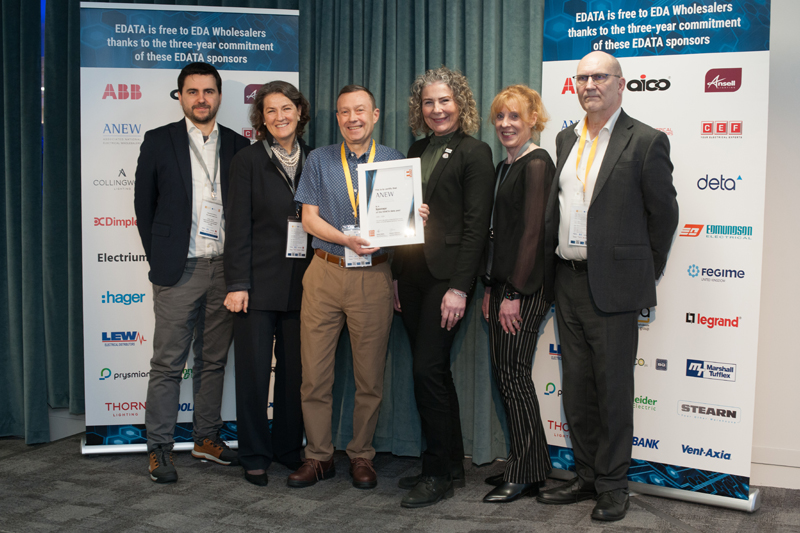
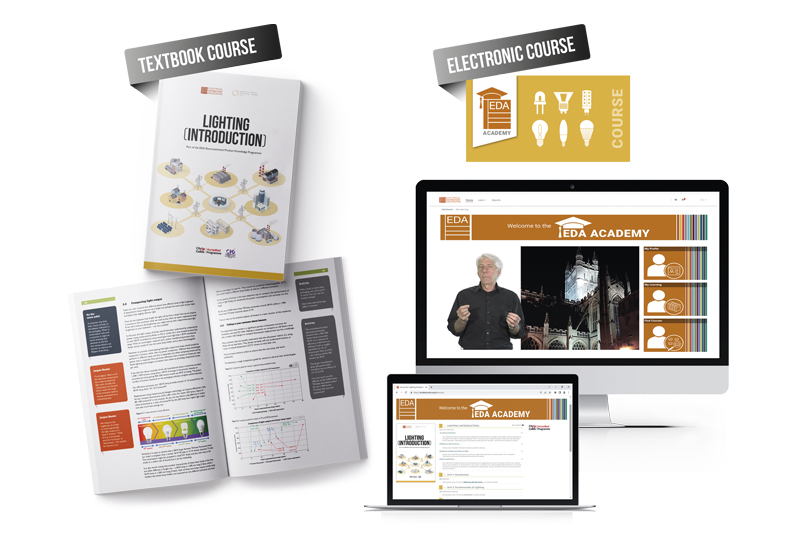
Setting the benchmark for professional skills development in the UK’s electrotechnical sector, this EDA training programme has two Princess Royal Training Awards – in 2022 and again in 2025. A commendation only awarded to the UK’s best-in-class training, plus they carry the City & Guilds’ Accreditation. And if you are an EDA business, you get exclusive access.
The EDA’s training module Industrial Controls covers:
- Switches and Indicators
- Relays and Contactors
- Fuses and Breakers
- Motors and Motor Control
- Power Supplies
- Enclosures and Panel Layout
- Programmable Control and Automation
- Sensing and Instrumentation
- Environmental Considerations
- Trends in Industrial Controls
Test your knowledge
Have a go at this quiz sampled from the Industrial Controls module and check your answers below. If the results show that you need to boost your team’s know-how, talk to the EDA today.
Q1: 2-Way lighting circuits are used to provide light switches at the bottom and top of the stairs to control a single lighting circuit. The switches have three terminals marked COM, L1 and L2. How many poles and throws does the switch have, and how is this abbreviated?
Q2: What electrical property of a cable determines how much heat is generated?
Q3: Many fuses provide protection against both short circuit and overload faults. What type of faults do circuit-breakers protect against?
Q4: Give two example uses for motors in industrial applications.
Q5: What are PLC IO modules used for?
Q6: What is the main difference between a solenoid and a control valve?
Scroll down for answers
Answers:
Q1: The switch has one pole (to control a single circuit) and is known as double throw or CO. This is abbreviated as SPDT or SPCO.
Q2: Resistance.
Q3: Just as with a fuse, circuit-breakers operate in the case of either short circuits or overload.
Q4: Typical uses include pumps, compressors, conveyors, and machinery.
Q5: IO modules are used to wire the PLC to the input and output devices.
Q6: A solenoid valve is used to either open or close a pipe (shut off), whereas a control valve is used to regulate the flow.
How did you do?
Full marks: Well done.
3 – 5 out of 6: Time to fill in any gaps in your knowledge and build confidence.
Less than 3: EDA Product Knowledge Training needed.
Watch the video and download the Course Directory
There’s plenty of information online at www.eda.org.uk, including a video and a downloadable course directory, giving you a summary of what’s covered in each of the 12 training modules.
The EDA team is ready to help. Call 020 3141 7350 or email training@eda.org.uk.
For more information, click here
Find more ‘EDA Insight’ articles here