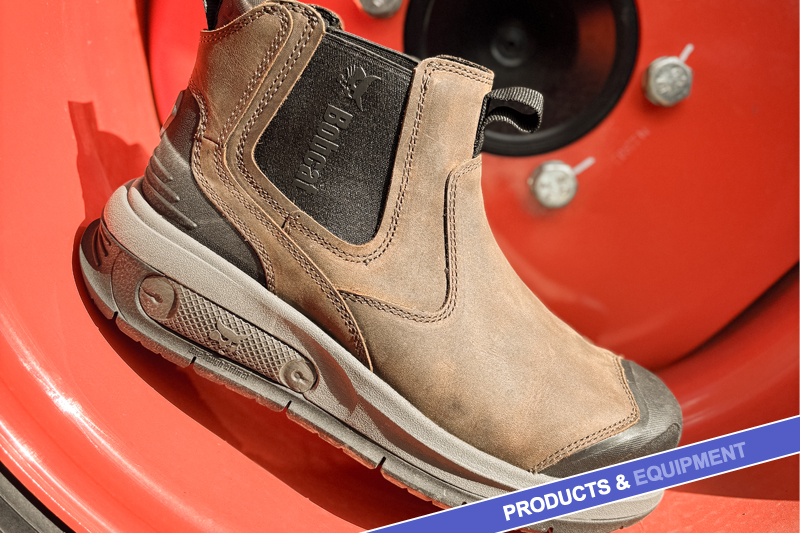
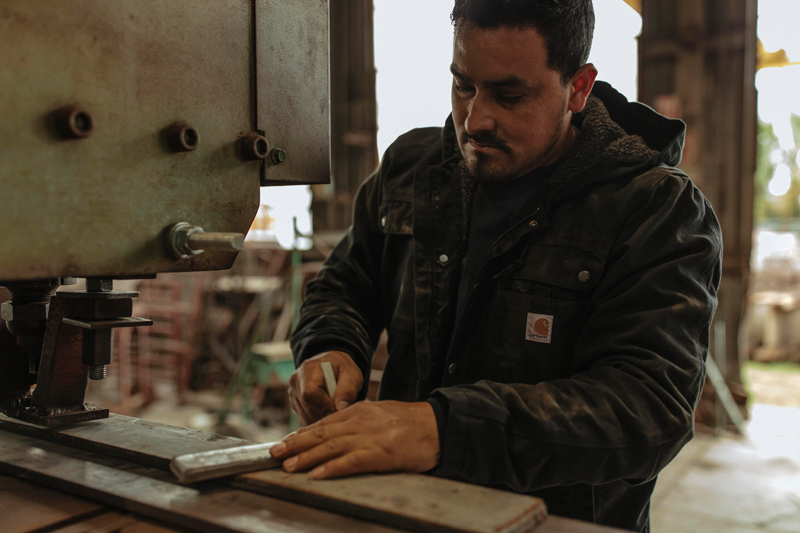
Workwear is no longer worn only on site. Nick Pouslon at Carhartt explains what electricians now expect from their clothing and how wholesalers can respond with varied, flexible ranges.
The right workwear is important in every job and it should always be tough, durable and safe. But times are changing and workwear now has to do more than stand up to the job. The same clothing is often worn from the first fix of the day through wholesaler visits and into the evening or weekend. Durability still matters, but it is no longer the only factor influencing buying decisions. Comfort, fit and how workwear looks off site are increasingly part of the equation.
For electrical wholesalers, this creates an opportunity to strengthen workwear as a repeat-purchase category. Core, hard-wearing staples remain essential, but there is growing demand for kit that feels comfortable and presentable beyond the job. Ranges that reflect this reality are better placed to support consistent sales and customer loyalty.
Broadening choice
Black and dark colours continue to be a reliable seller and should remain readily available, but alternative colours and finishes are gaining interest. Neutral and heritage tones such as brown, grey, olive and cream offer a cleaner, less uniform look that many electricians are comfortable wearing away from site.
For wholesalers, responding to this demand doesn’t require large or complex ranges. Introducing a limited number of alternative colourways across proven products can offer customers choice while keeping stock manageable. Smaller items such as beanies or graphic T-shirts can also be used to add variety, providing easy add-ons at the counter without increasing risk. They are also typically lower in cost, simpler to size and well suited to repeat purchasing, making them a practical way to build basket spend.
Denim adapted
Denim is a good example of how established workwear categories have been adapted to suit modern working patterns. Traditionally chosen for toughness, denim could feel stiff, particularly when kneeling, climbing ladders or working overhead. Stretch technologies such as Carhartt’s Rugged Flex add flexibility while retaining durability. The added movement makes a noticeable difference on site, improving comfort during physical tasks. At the same time, stretch denim has a more relaxed feel that works away from the job. For wholesalers, it offers a familiar category that appeals to electricians looking for practical workwear without it feeling overly industrial.
The same applies to duck fabric. Known for its resistance to abrasion, tearing and wind, duck has long been associated with demanding environments. Adding a small amount of Rugged Flex improves mobility without compromising strength, making it better suited to long days that combine physical work with travel and site visits.
Comfort that holds up
Performance remains non-negotiable. Electricians still expect workwear to cope with physical tasks, changing weather and long days. What has changed is the expectation that comfort should last throughout the day.
Waterproofing is a clear example. Jackets that block rain are essential, but if they trap heat and moisture they can quickly become uncomfortable during physical work where the wearer builds up a sweat. Breathable waterproof fabrics allow moisture vapour to escape, helping the wearer stay dry without feeling cold or clammy.

Technologies such as Carhartt’s Storm Defender are designed to keep out heavy rain but have a breathable membrane which allows internal moisture to evaporate. This kind of technology is particularly useful when working hard outdoors in inclement weather. Durable water repellent (DWR) coatings also play an important role here, causing light rain to bead and run off the fabric while maintaining breathability, making garments more suitable for variable site conditions.
Any build-up of sweat can leave the wearer cold and clammy once it cools on the skin. Cotton might be soft and comfortable to wear but doesn’t make a good base layer as it stays damp. The trade need fabrics that wick sweat, dry quickly and help control odour keep clothes feeling fresher for longer, which matters when workwear is worn beyond site hours. Carhartt Force, for example, is made from a blend of cotton and polyester. It’s soft and comfortable but pulls moisture away from the skin and helps reduce odour build-up, giving all day comfort.
Lighter layers and women’s workwear
For electrical wholesalers, it is really important to supply women’s workwear ranges designed specifically for the trade rather than adapted from men’s products. As demand grows, having appropriate stock available helps support customers and strengthens the overall workwear offer.
Demand for lighter, more breathable workwear is particularly evident in women’s workwear, where those in the trade have been clear about wanting garments that don’t feel heavy or restrictive but still stand up to demanding environments.

New fabric developments are helping address this. Carhartt’s Tencel Fibre Series for women uses Tencel Lyocell fibres to create clothing that is lighter and softer while remaining durable. This range is breathable, regulates temperature and prevents moisture build-up, making clothing made of Tencel Lyocell suitable for both work and wear away from site. The range includes lightweight T-shirts, overshirts and joggers designed with practical use in mind. Stocking these lighter layers offers an opportunity to supply an underserved part of the trade and build longer-term customer loyalty.
Workwear is constantly developing with new technologies and better choice. Electricians still expect durability and performance but they are also buying with comfort, versatility and appearance in mind. Offering greater choice and clearly communicating product benefits can help build stronger customer relationships, encourage repeat purchasing and support consistent sales.
For further information, click here
Find more industry features here