By the time you read this we will just be a few days away from the start of the 2026 World Cup. Out of mild curiosity I had a look back to the June 2022 issue of this magazine to see if I had referenced the tournament at all on this page. I’m sorry to say I did not – but then even my faintest interest in football did not get off the ground until Euro 2024 – it’s amazing what the possibility of winning a sweepstake can do, although sadly my plucky Albanian team didn’t come through for me in the end.
With varying kick-off times, and subsequently extended opening hours for the UK’s pubs, not to mention the numerous ‘Fan Parks’ dotted around the country, the World Cup is expected to trigger an unprecedented, simultaneous surge in residential and commercial power consumption. It also serves as a timely reminder of how the UK’s electrical trade is one of the essential engines behind modern entertainment and infrastructure. Just imagine the scenario if there was a power cut during a penalty shoot-out – it would be worse than when our Wi-Fi service goes down!
For many of us, sport and other forms of entertainment and leisure are a vital way to have something different to focus on outside of work. Some people might enjoy their work while for others it is something they must endure in order to pay the bills and put food on the table – but rarely is a job easy or stress-free every single day. Whether it’s watching a football match, going to the theatre or a taking a walk in the countryside, we all need that ‘escape’ on a regular basis to clear our heads and take a mental breather.
I am writing this column during Mental Health Awareness Week (11th-17th May 2026), which offers an important opportunity for the UK’s electrical industry to confront a challenge that has too often remained hidden behind hard hats, deadlines and long shifts.
However, attitudes are beginning to change. Across the UK construction and electrical sectors, more employers are recognising that mental health deserves the same attention as physical safety. Toolbox talks now increasingly include conversations around wellbeing, while training organisations are encouraging managers to identify signs of burnout, depression and stress before problems escalate.
A safer industry is not only one with fewer accidents, but one where people feel supported, valued and able to speak openly when they need help.
Enjoy the issue!
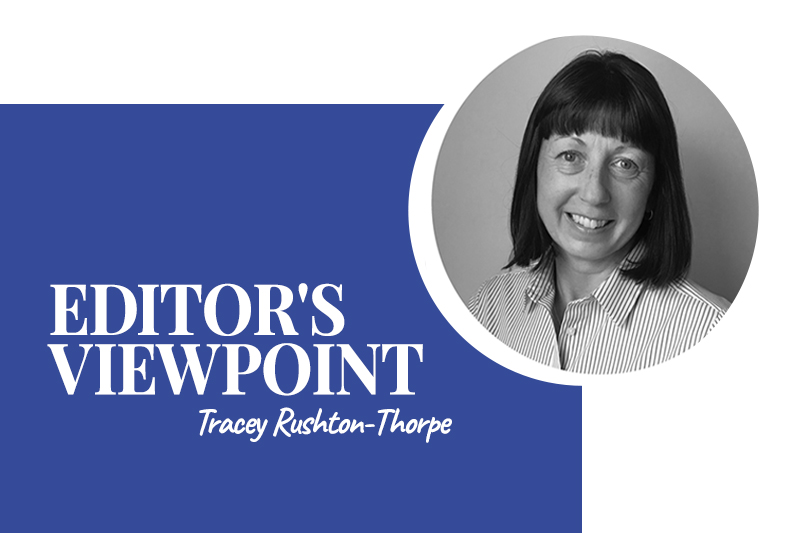
– Tracey Rushton-Thorpe
Catch up on previous ‘Editor’s Viewpoint’ here