Nick Atkinson, National Account Manager for Trade at FireAngel, explores how wholesalers can help contractors and housing providers meet their responsibilities by offering more than just products on shelves.
In the domestic fire detection market, compliance is often viewed as something achieved once devices are installed. But in reality, genuine compliance goes far beyond simply fitting alarms to walls or ceilings. It is a process that continues through testing, commissioning, handover, and ongoing maintenance, and getting each stage right is essential to ensuring life-saving protection and avoiding serious liability.
Compliance journey
For electrical wholesalers, understanding the full compliance journey isn’t just useful, it’s vital to providing the right solutions, advice, and products to customers. In the UK, BS 5839-6:2019+A1:2020 sets out the recognised standard for domestic fire detection and alarm systems. The guidance applies across social housing, private rental properties, houses in multiple occupation (HMOs), and new-build developments, providing clear recommendations for system design, installation, commissioning, and maintenance.
Ultimately, the aim is to ensure systems are reliable, properly installed, and capable of providing critical protection when needed most.
While product selection and system design form the foundations of compliance, there remains a misconception that simply supplying certified devices is enough to guarantee a compliant system. But as wholesalers will appreciate, the products themselves are only part of the picture. The final stages of testing, commissioning, and routine checks are equally important, and they are often where compliance gaps emerge if standards and best practices are not followed.
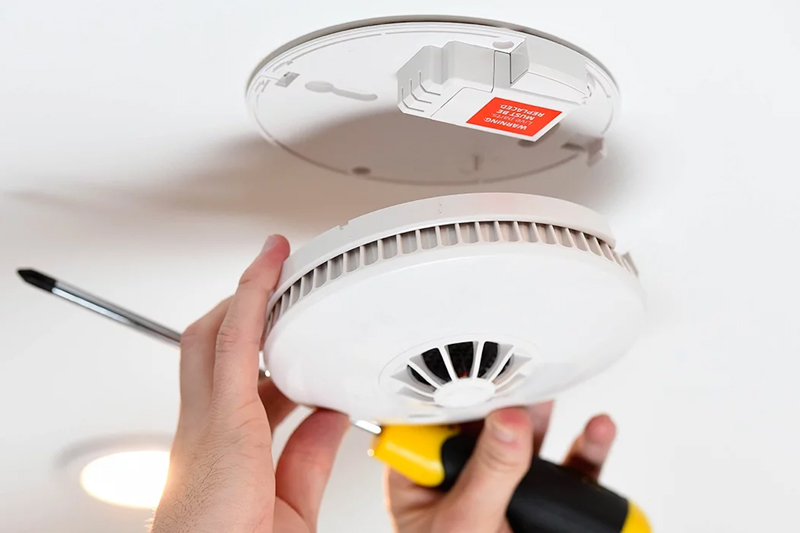
Even the most advanced detection system depends entirely on correct installation, testing, and consideration of real-world factors. BS 5839-6 highlights the importance of testing and commissioning of detectors using test apparatus as a vital safety requirement, not an optional extra. For wholesalers, that means understanding the wider process and being equipped to support customers with product advice that reflects the realities of working on site.
Testing verifies that detectors respond as intended, that interconnected devices communicate effectively, and that both primary and backup power supplies meet performance standards. However, real-world factors like detector placement in consideration of numerous factors such as proximity to, heating, ventilation, light fittings, walls, beams and the highest point within the protected space can all affect system reliability. If these aren’t addressed during installation and commissioning, even the best products can fall short, leaving housing providers, landlords, and contractors exposed to compliance failures and increased safety risks.
That’s why achieving compliance is a shared responsibility across the supply chain. Manufacturers, wholesalers, contractors, and housing providers all play a part. Wholesalers are often the first port of call for product advice, making it essential to have a solid understanding of standards like BS 5839-6 and the role that proper system design, installation, and maintenance play in long-term compliance.
Consistency is key
From a wholesaler perspective, this shared responsibility also extends to what is stocked, specified, and supplied. In a sector where product availability can vary between branches and regions, consistency is critical. Supplying the right products at the right time, and ensuring they meet current standards, helps installers avoid last-minute substitutions that can undermine system design or lead to non-compliant installations.
This is particularly relevant in social housing, local authority and large-scale residential projects, where compliance obligations are closely scrutinised and documentation trails are increasingly important. In these environments, wholesalers are not simply fulfilling orders, but acting as a key link between specification, installation, and long-term system performance.
Compliance doesn’t stop at installation. Over time, environmental factors, alarm tampering, battery degradation, or system interference can all compromise performance. That makes routine testing and maintenance essential, something wholesalers can help reinforce through customer conversations and product recommendations.
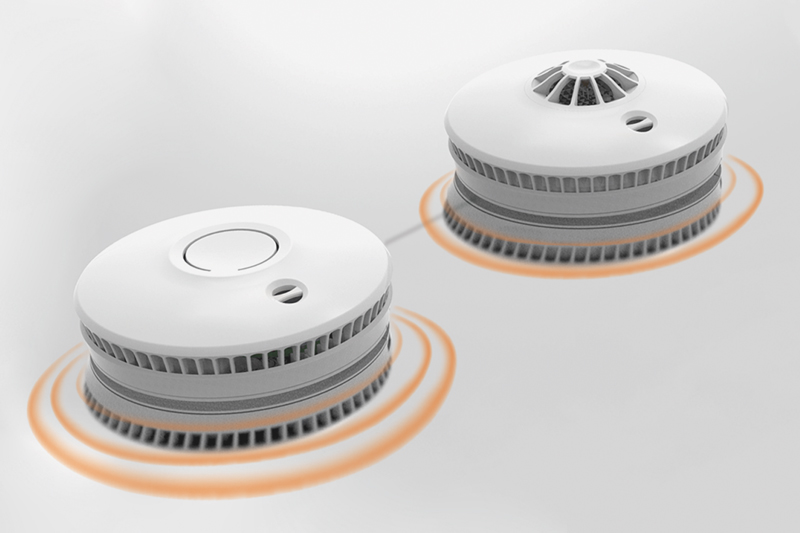
For housing providers and landlords, maintaining compliance requires robust processes for ongoing checks, reporting faults, and carrying out repairs. The latest connected technologies, such as those developed by FireAngel, can assist by providing real-time alerts of faults, tampering, or system issues, offering extra peace of mind for residents and property owners. But these tools complement, rather than replace, professional inspections and good practice.
To help strengthen this link between compliant specification and compliant supply, FireAngel has developed its Approved Stockist Scheme, working with selected wholesalers to support best practice across the distribution stage. The initiative is designed to give installers and housing providers greater confidence that the products they are sourcing are appropriate for regulated domestic applications and aligned with current standards.
By working more closely with approved supply partners, manufacturers can help reduce the lack of clarity at the point of purchase and reinforce the importance of correct system design, particularly on more complex projects. This approach also supports wholesalers by positioning them as informed, trusted suppliers within an increasingly regulated fire safety landscape.
High standards
With fire detection and carbon monoxide alarm requirements becoming more stringent across the UK housing sector, wholesalers have an increasingly important role to play. By stocking reliable, compliant solutions, providing technical insight, and promoting best practice, wholesalers can help installers, contractors, and landlords ensure systems meet the required standards from day one and continue to protect throughout their lifetime.
At FireAngel, we understand that compliance is about more than supplying certified products. Our connected technologies and advanced detection solutions are designed to support wholesalers, installers, and housing providers with system monitoring, real-time alerts, and enhanced fault detection, ensuring protection continues long after installation.
Domestic fire safety compliance is not a one-off task. It’s an ongoing process, built on collaboration across the supply chain, rigorous testing, careful commissioning, and long-term system monitoring. Wholesalers are a crucial part of that chain, providing not just products, but the knowledge and support that help contractors and housing providers get it right at every stage.
For further details, click here
Find more industry features here