
Be the expert your customers rely on, not just the wholesaler they buy from.
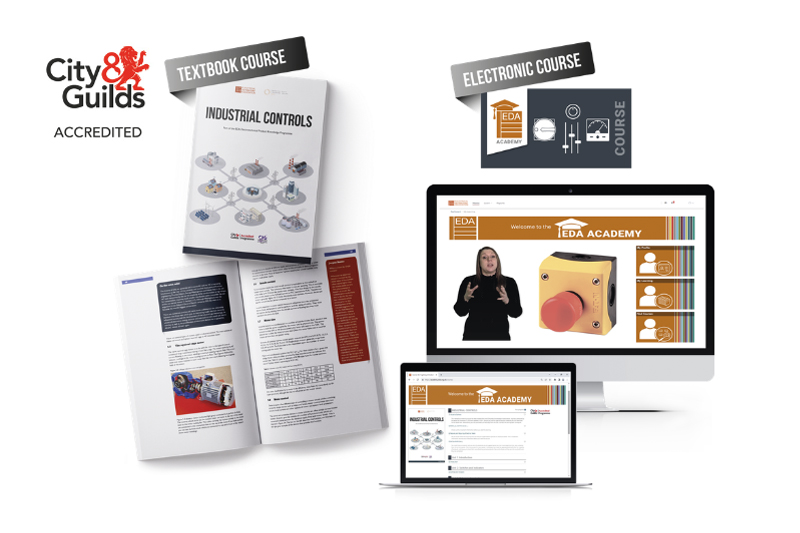
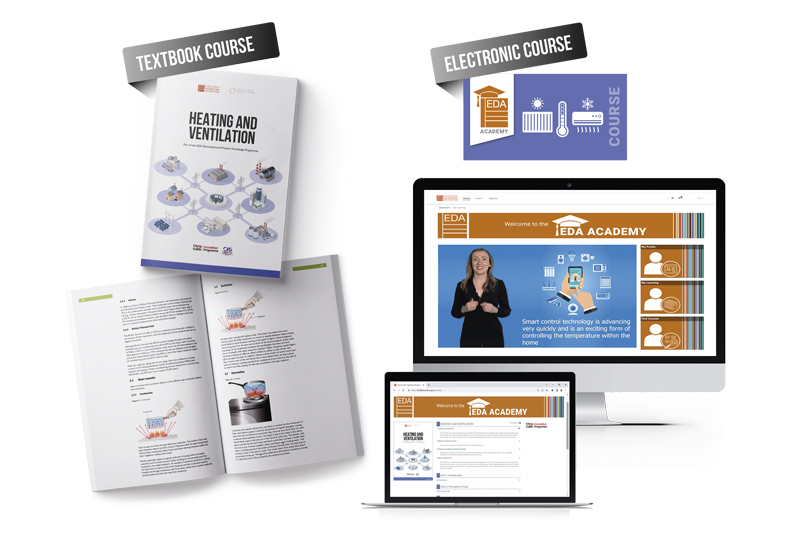
Cables are used with almost all electrical supply, control and information technology installations. This EDA training module on Cables and Cable Management takes you through the various types and construction of the cables and cords available for use in an electrical installation and an overview of the different terminations and connectors that are used. This background will help you to increase your knowledge in the huge range of cables and cable management systems (CMSs) that are requested by customers on a daily basis.
Most cables supplied through distributors or wholesalers will be low-voltage power cables, data cables or control cables. Higher voltage cables, as used by the power utilities (Distribution Network Operators and Independent Distribution Network Operators), some fibre optic cables and other specialist cables are also occasionally supplied by distributors or wholesalers.
Great service, loyal customers, better business
Getting the right cable to the right customer first time means fewer things sent back and fewer awkward phone calls. And once your team feels more confident they’ll naturally start suggesting the right add-ons too – which is good for them and good for your business.
The EDA’s training module Cables and Cable Management covers:
- Wiring systems
- Telecommunications cables
- Optical fibre cables
- Special cables
- Substandard and counterfeit cables
- Cable fire performance
- Cable management systems
- Cable termination
Test your knowledge
Have a go at this quiz sampled from the Cables and Cable Management module and check your answers below. If the results show that you need to boost your team’s know-how, talk to the EDA today.
Q1: What colour insulation is used to denote a protective earth conductor?
Q2: Is there a possible spark risk when optical fibre cables are cut?
Q3: To what do the following acronyms refer: LFH and LSF?
Q4: What does an IP4X rating specify?
Q5: What is the connection between a conductor and other equipment or accessory called?
Q6: What is meant by ‘loose tube’ cable constructions in an optic fibre cable?
Scroll down for answers
Answers:
A1: Green/yellow
A2: No – they are intrinsically safe
A3: Low fire hazards (LFH) and low smoke and fume (LSF) cables
A4: Protected against access by fine wire (1.0 mm thick or greater)
A5: A termination
A6: Primary coated optical fibres without any additional coatings or layers, threaded through tubes.
How did you do?
Full marks: Well done.
3 – 5 out of 6: Time to fill in any gaps in your knowledge and build confidence.
Less than 3: EDA Product Knowledge Training needed.
Watch the video and download the Course Directory
There’s plenty of information online at www.eda.org.uk, including a video and a downloadable course directory, giving you a summary of what’s covered in each of the 12 training modules.
The EDA team is ready to help. Call 020 3141 7350 or email training@eda.org.uk
For more information, click here
Find more ‘EDA Insight’ articles here