Clear guidance on inspection regimes, evolving terminology and practical considerations is helping wholesalers and contractors navigate electrical equipment safety with confidence, says Steve Dunning, Managing Director at Martindale Electric.
Electrical equipment safety remains a fundamental responsibility across every workplace. Yet confusion still exists around what needs to be tested, how often, and even what the process should be called. While Portable Appliance Testing (PAT) is a familiar term, the introduction of Electrical Equipment Testing (EET) reflects a broader, more accurate understanding of today’s requirements.
At its core, the requirement is straightforward. Under the Electricity at Work Regulations (1989), any electrical equipment that could cause injury must be maintained in a safe condition. PAT emerged as an established method of meeting this duty, focusing on the inspection and testing of portable electrical appliances to ensure they are safe for continued use.
However, the industry’s shift towards the term Electrical Equipment Testing is more than just a rebrand. Introduced in the fifth edition of the IET Code of Practice for In-Service Inspection and Testing of Electrical Equipment, the updated terminology addresses a long-standing misconception that only smaller, movable items require testing. In reality, the scope extends far beyond traditional ‘portable’ devices.
EET better reflects the full range of equipment that must be considered, including a wider variety of mains powered appliances and equipment. This could encompass anything from laptops and kettles through to vending machines, refrigeration units and even larger industrial equipment. While PAT remains widely used in conversation and training, understanding EET ensures that no equipment category is overlooked.
Frequency
One of the most common questions surrounding PAT or EET testing is how often it should be carried out. Unlike some regulatory requirements, there is no universal testing interval defined in law. Instead, the Health and Safety Executive (HSE) recommends a risk based approach, often interpreted in practice as annual testing, but this is only a guideline.
The appropriate frequency depends heavily on both the type of equipment and the environment in which it is used. For example, a power tool operating on a construction site is subject to significantly greater wear and risk than a desk lamp in a hotel room. As such, it requires more frequent inspection and testing.
This flexibility can make compliance feel ambiguous for employers. While PAT or EET testing itself is not explicitly mandated, the legal obligation to maintain safe equipment is absolute. In practical terms, regular inspection and testing provide a recognised and defensible way to demonstrate compliance with both the Electricity at Work Regulations and the Health and Safety at Work Act (1974).
For contractors advising clients, or for wholesalers supporting those contractors, this distinction is important. The conversation should not centre on whether testing is legally required, but rather how businesses can evidence that they are meeting their duty of care.
Equipment selection
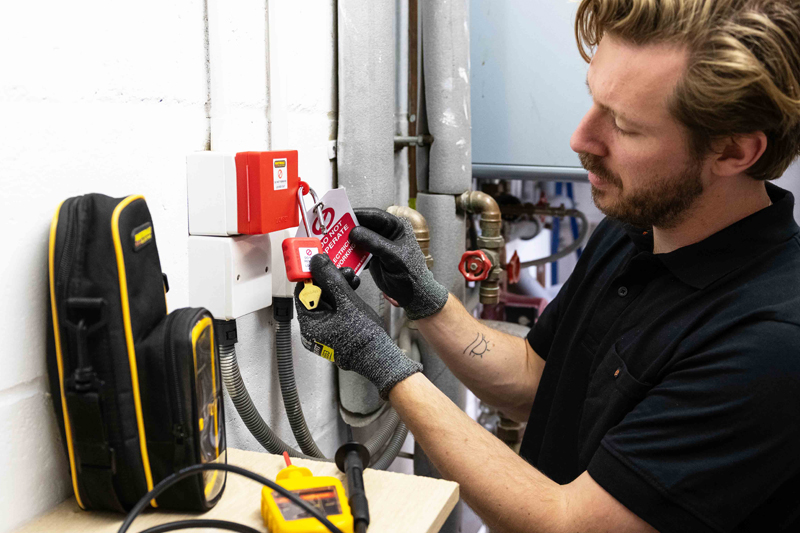
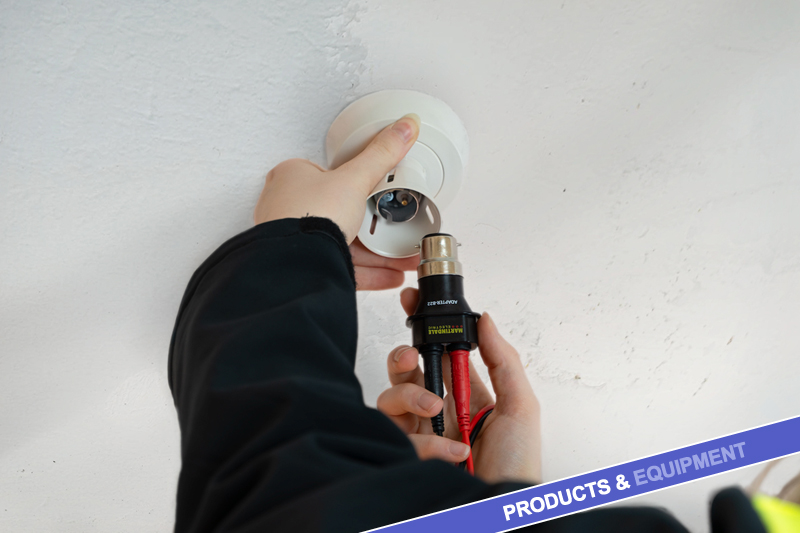
In most commercial and industrial environments, such as offices, hotels, factories and public buildings, testing is typically carried out on site. This may be undertaken by an in-house maintenance team, but more commonly is delivered by specialist contractors.
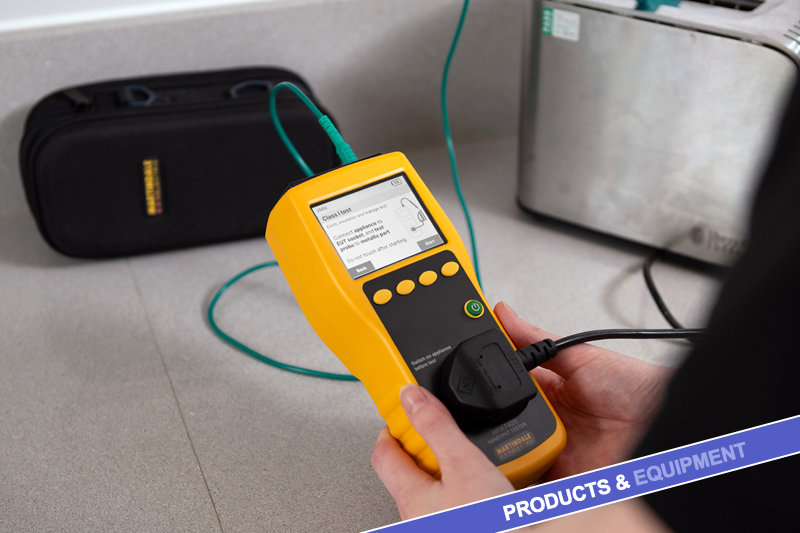
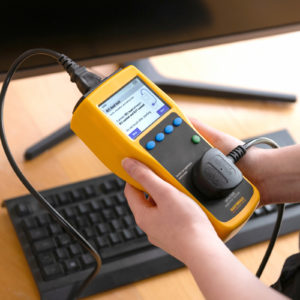
For those carrying out testing, the choice of equipment is critical. Portability and ease of use are key considerations, particularly for engineers working across multiple locations throughout the day. Lightweight, handheld testers that are simple to operate help improve efficiency while reducing user fatigue.
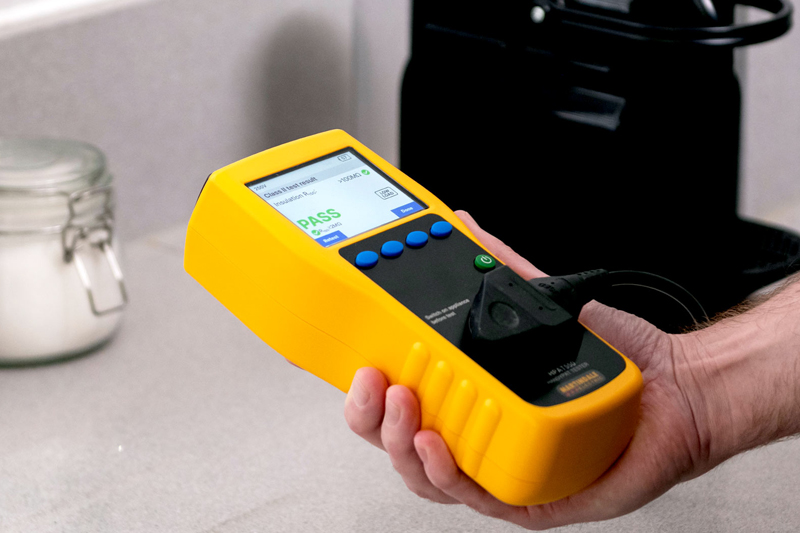
Modern units, such as Martindale’s HPAT550 and HPAT650, are designed with these needs in mind. Features like USB-C charging support extended use in the field, while intuitive interfaces help streamline the testing process, particularly for less experienced operatives.
Beyond the tester itself, record keeping is another essential element of any PAT/EET regime. This can range from traditional handwritten logbooks through to fully digital, cloud based systems. Regardless of the method, maintaining accurate records is vital, not only for operational tracking but also for demonstrating compliance during audits or inspections.
Labelling also plays a key role. After testing, equipment is typically marked with a clear pass or fail indicator, providing immediate visual confirmation of its status. For wholesalers, this creates an opportunity to supply complementary products such as labels, logbooks and bundled kits. Solutions like the Martindale PATKIT1 PAT Accessory KIT, which include 1,000 pass labels, 200 fail labels, IEC adaptors and logbook, offers a convenient way to support both new and existing users.
Compliance
A persistent misconception within the industry is that PAT testing is a legal requirement in its own right. In reality, legislation focuses on outcomes rather than processes. Employers must ensure equipment is safe; PAT/EET is simply one of the most widely accepted ways of achieving this.
This distinction matters because it reinforces the importance of a tailored, risk-based approach. High-risk environments, such as construction sites or manufacturing facilities, will naturally require more frequent and rigorous testing regimes than lower-risk settings like offices.
For contractors, this means applying professional judgement rather than relying on fixed intervals. For wholesalers, it means understanding the nuances of different applications so they can recommend appropriate solutions and equipment.
Ultimately, whether it is referred to as PAT or EET, the underlying objective remains unchanged: ensuring that electrical equipment is safe to use. The updated terminology simply brings greater clarity to the scope of what should be included.
Regular inspection and testing, supported by appropriate equipment and robust record keeping, not only helps organisations meet their legal obligations but also reduces the risk of accidents and downtime. From contractors on site to wholesalers at the point of supply, having a clear understanding of both the terminology and the practical requirements is essential. By doing so, they can provide informed guidance, support compliance, and contribute to safer working environments across every sector.
Further information can be found here
Find more industry features here