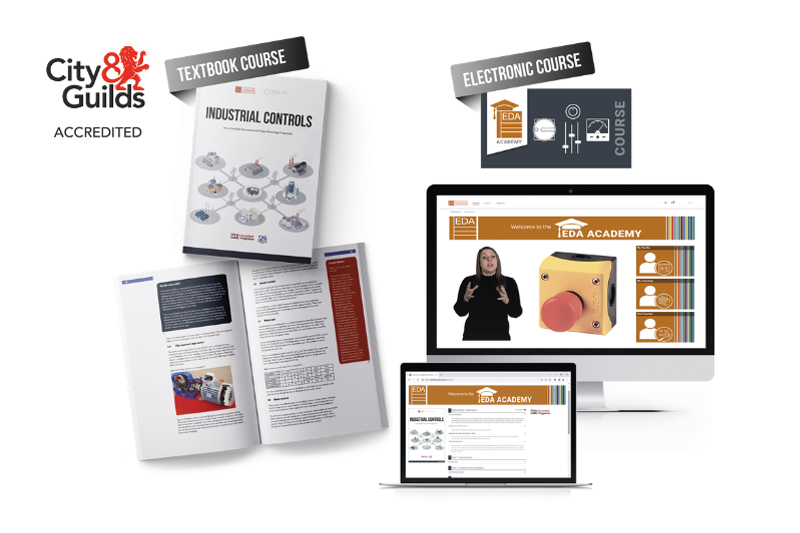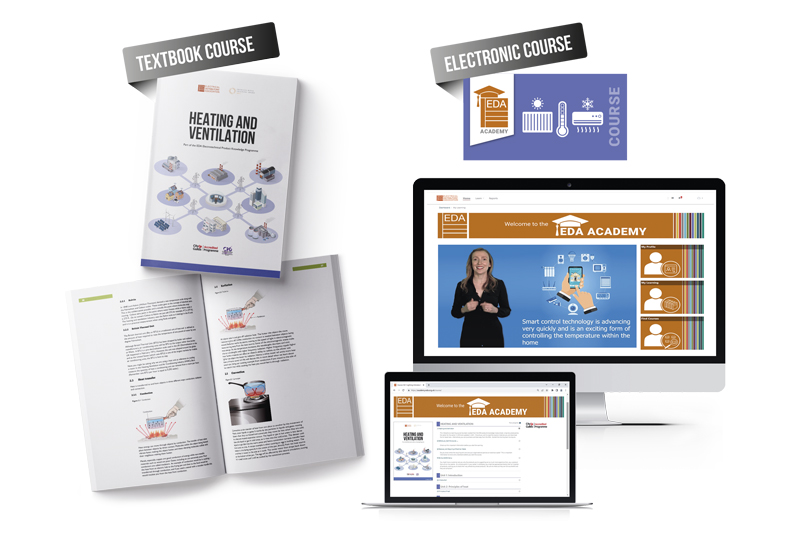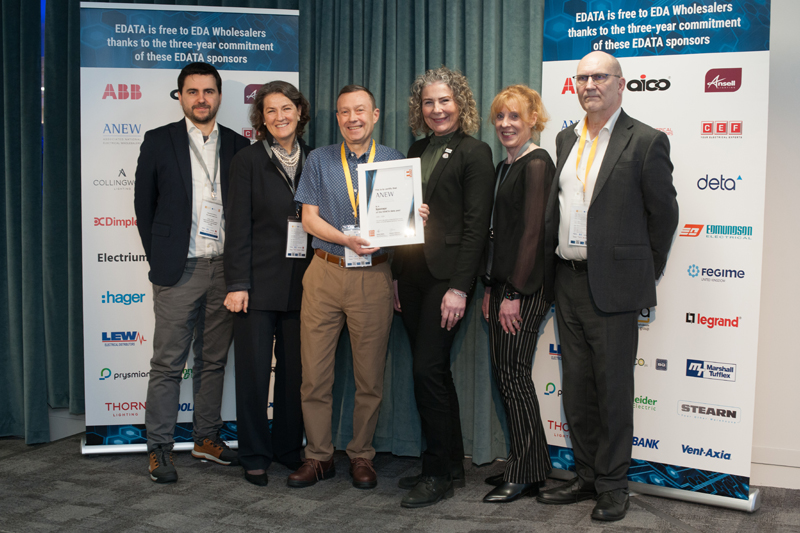
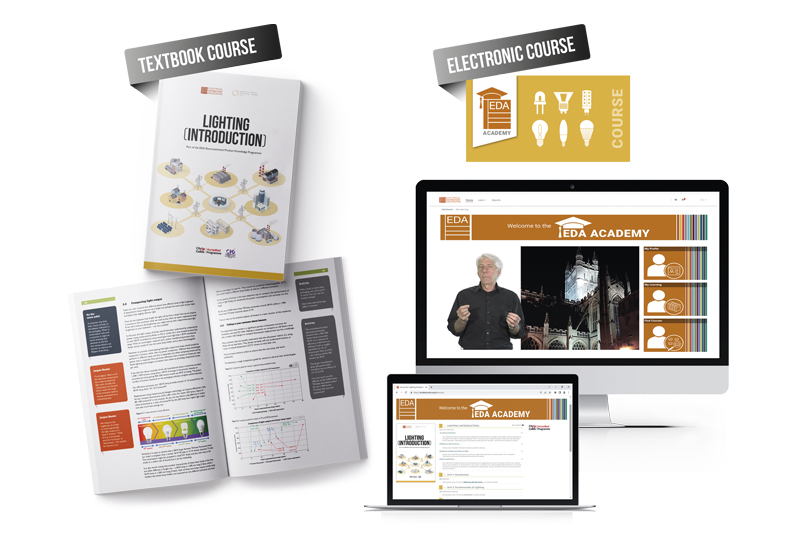
Setting the benchmark for professional skills development in the UK’s electrotechnical sector, the EDA’s Product Knowledge Modules help businesses like yours create cross-selling and up-selling opportunities by building knowledge and confidence. These Modules have won two Princess Royal Training Awards – in 2022 and again in 2025. And if you are an EDA business, you get exclusive access.
Released in early 2026, this third edition of Introduction to Lighting, covers:
- Fundamentals of lighting
- Basics of lighting design
- Safety considerations of lighting
- Maintenance considerations of lighting
- Environmental and sustainability considerations of lighting
Confidence builds trust
Speaking the same language as your customers means better business relationships, and more cross-selling and up-selling opportunities. Well-trained staff build trust and encourage repeat business: they listen carefully, ask the right questions, and explain solutions clearly. This reduces misunderstandings and makes customers feel valued and heard.
When customers see that an organisation invests in training, it signals professionalism, accountability, and a commitment to doing things right – especially important in technical or safety-critical sectors like ours.
Test your knowledge
Have a go at this quiz sampled from the Introduction to Lighting module, then check your answers below. If the results show that you need to boost your team’s know-how, talk to the EDA today.
Test your knowledge.
Q1: How does the IP rating help when using the correct luminaire for a swimming pool area?
Q2: What is uniformity of light output?
Q3: What does the ‘L’ value on LED packaging (e.g. L80) mean?
Q4: What product is useful for fire rating a downlighter in a ceiling?
Q5: What does CRI stand for? What is a good figure for CRI in LED lamps?
Q6: Why is Part L of the Building Regulations an important document?
Scroll down for answers
Answers
Q1: The IP rating describes how well protected a luminaire is against the ingress of dust and water.
Q2: ‘Uniformity’ describes how evenly spread the light output is in a space, for example, in a room, corridor, pavement or road.
Q3: The ‘L’ value shows how much light an LED will still emit at the end of its rated life. For example, L80 means the LED will produce 80% of its original light output after its stated lifespan (e.g. 50,000 hours).
Q4: Intumescent hoods are useful for fire rating a downlighter in a ceiling.
Q5: CRI stands for colour rendering index. LED lamps will often have a CRI of 80 – 85.
Q6: For lighting installations, Part L is concerned with the design assessment and subsequent verification of power consumption in lighting circuits.
How did you do?
Full marks: Well done.
3 – 5 out of 6: Time to fill in any gaps in your knowledge and build confidence.
Less than 3: EDA Product Knowledge Training needed.
Watch the video and download the Course Directory
There’s plenty of information online at www.eda.org.uk including a video and a downloadable Course Directory, giving you a summary of what’s covered in each of the 12 training modules.
The EDA team is ready to help. Call 020 3141 7350 or email training@eda.org.uk
For more information, click here
Find more ‘EDA Insight’ articles here