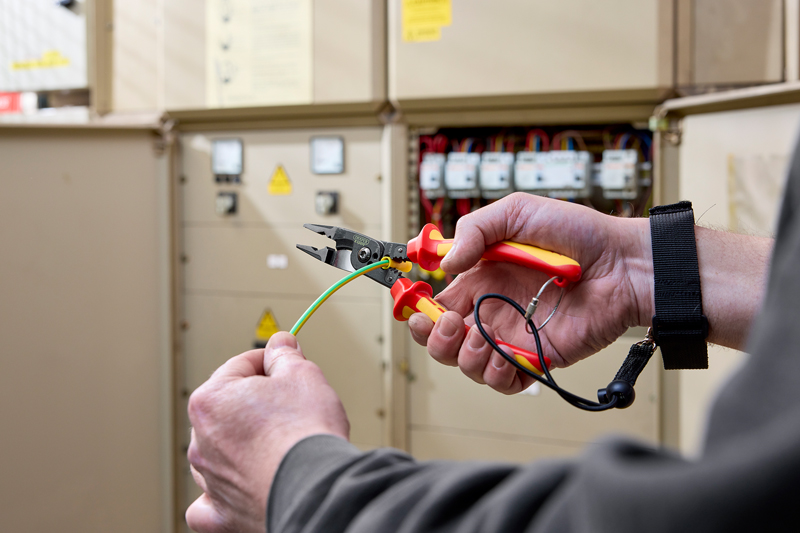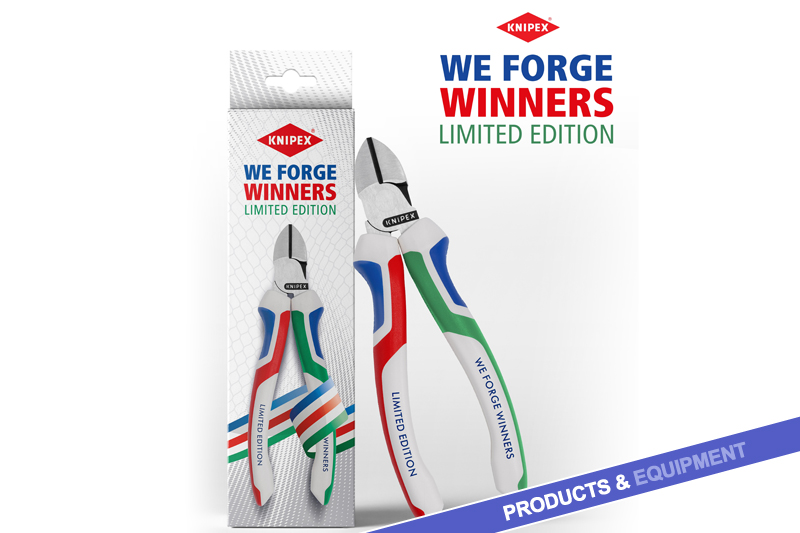

Nicki Hickman, Marketing Manager for Hardware at Hultafors Group UK, explains why electricians are reconsidering the balance between price and quality when it comes to the tools they rely on every day.
When speaking to electrical wholesalers, there’s a conversation I have time and time again. It usually starts with price but ends up at quality. Electricians are under mounting pressure to work efficiently and cost-effectively, while wholesalers are having to address customer expectations by offering a wide range of products that suit different needs, at various price points.
Somewhere in the middle sits a familiar dilemma: is it better to buy cheaper tools more often, or invest in tools that cost more but last longer? This isn’t a new question, but the answer is changing.
Price alone rarely tells the full story
When electricians choose tools, the initial price is often the easiest metric to compare but price rarely reflects performance. Professional tools aren’t just used occasionally; they’re used all day, every day. They’re dropped, exposed to harsh conditions, and pushed to their limits. When a tool fails, it doesn’t just need replacing, it costs time and can even compromise safety.
That’s why when we talk about value at Hultafors, we look beyond the price. Tools that allow a job to be completed faster and with better precision justify their cost. The old saying “buy cheap, buy twice” still holds true for professional use.
Not every tool warrants the same investment
Tool buying decisions are rarely black and white. Like all trades, electricians prioritise different tools depending on how often they’re used and how critical they are to the job.
Some tools are used constantly, and others more occasionally. That’s why we focus on delivering the best possible tools within the categories we specialise in, rather than producing mass-market ranges. This gives electricians and wholesalers the flexibility to choose where to invest without compromising on performance where it matters most.
Designing tools fit for site
Besides durability, one defining difference between premium tools and cheaper alternatives is the attention to details that put the users’ needs first.
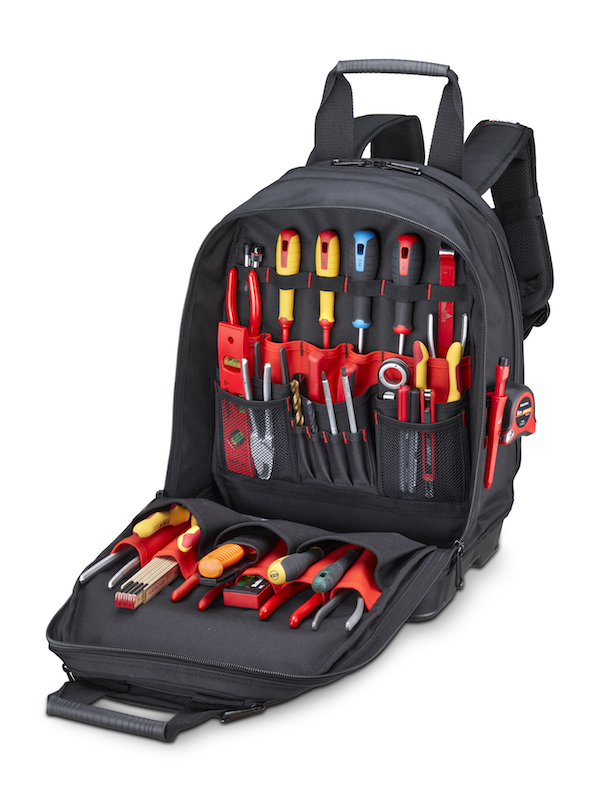
We develop our tools by working closely with professional users and designing them to withstand demanding environments. Hultafors has strong Nordic roots, meaning many products are tested in harsher conditions than UK sites are typically exposed to. For example, Hultafors Molded-Base Backpacks are tested to withstand extreme temperatures of up to -40°C and undergo extensive drop and load testing to ensure they remain reliable under heavy use.
This isn’t about testing to extremes for the sake of it. It’s about giving electricians confidence that their tools will perform consistently, job after job.
The wholesaler’s role
For electrical wholesalers, navigating the price-versus-quality discussion can be challenging, especially when customers arrive with a fixed budget. The best conversations start with questions, not assumptions.
Electricians all work differently. Some may be looking to upgrade a tool they use constantly, but others may be open to trying something new if it solves a specific problem. Where wholesalers can add real value is by understanding those needs and introducing tools that genuinely offer something different – not just another version of what’s already on the shelf.
Education is key, too. Whether though product demonstrations, in-store displays, open days or confident sales staff, giving electricians the chance to handle tools makes a real difference. Once a professional uses a well-designed tool, the value becomes immediately clear.
Everyday tools, thoughtfully improved
Innovation doesn’t always mean reinventing the wheel. Often, it’s about taking everyday toolbox staples and improving them in ways that make life on site easier.
For electricians constantly moving between jobs, our Backpacks are a great example. Designed for mobility, they offer organised storage for hand tools alongside protected space for diagnostic equipment or laptops. We offer a soft body model and one with a molded base, allowing electricians to choose what best suits their working environment.
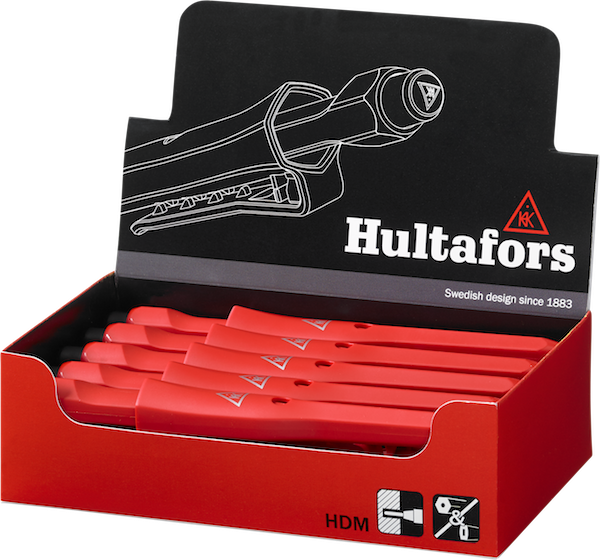
Knives are another area where small design changes have a noticeable impact. Many electricians use general purpose utility knives, but purpose-built alternatives such as the Hultafors Electrician’s Knife feature a handle and sharpened blade edges that have been specifically designed and optimised for cable stripping, allowing for more precise, controlled work.
The same thinking applies to hammers and measuring equipment. Hultafors Electrician’s Hammers are light and well-balanced. The U-shaped striking face is particularly useful in confined spaces such as ceilings and corners, helping to avoid leaving marks on surrounding surfaces. Additionally, the newer TR EL model also features a vibration-dampening plug that reduces impact.
The Talmeter combines measuring and marking into one tool, helping reduce steps and minimise errors. With built-in etching functions and a diameter measurement scale on the reverse of the tape, this handy, pocket-sized tool has become an iconic must-have for those in the know.
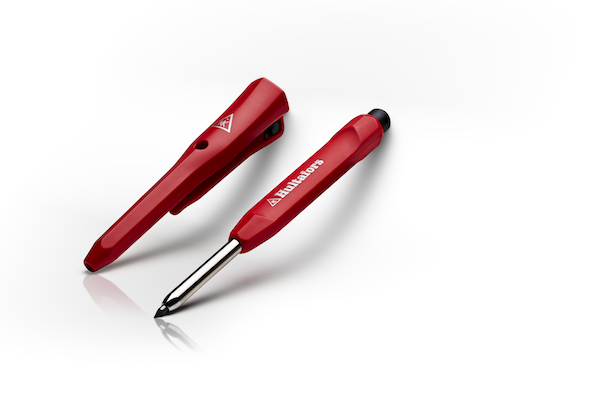
Even a simple marker pencil benefits from thoughtful design. The Hultafors Dry Marker stays clipped securely, features an integrated sharpener that can be used without having to remove the holster, works well in wet conditions and the uniquely shaped design means it doesn’t roll away when placed down.
Rethinking long-term value
Cost pressures remain a reality for the electrical trade, but we’re seeing a shift in how professionals think about hand tools. While concerns about theft affect investment in power tools, many electricians are choosing to spend a little more on the hand tools they rely on every day.
For wholesalers, supporting that shift means moving the conversation beyond price alone. The quality, durability and functionality of a tool translate into real benefits, making it easier to demonstrate why some tools are worth the investment.
Ultimately, the price-versus-quality dilemma isn’t about choosing one over the other. It’s about recognising where added value makes a difference and making informed decisions that support productivity and long-term performance.
For further details, click here
Find more industry features here